Steel Construction Detailing is your one-stop destination as well as a service provider that serves its clients globally by providing all major types of steel detailing services, BIM services, PEB services, precast panel detailing services, rebar detailing services, MEP services, and a lot more.
The company is having diverse knowledge and good hands over the use of a different set of tools and techniques that is required for executing the design and drafting services for any project. Our effective portfolio in providing services in different areas is only possible with the help of our in-house team of engineers who are at their best to deliver 2D Drawings and 3D models of the project that provide to the fabrication as well as the erection method of overall steel structures.
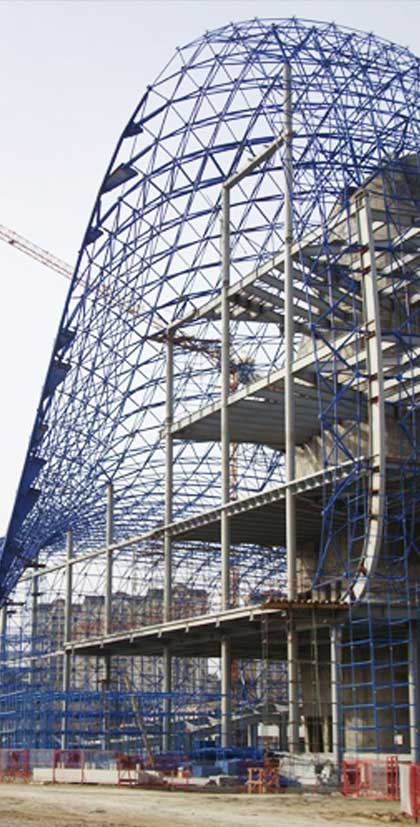
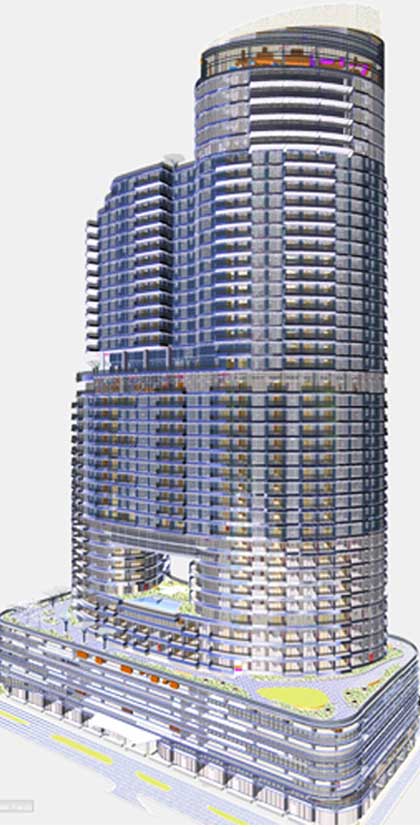
Our dynamic portfolio is what kept us unique amongst our contemporaries within the industry. It represents our proven track record.
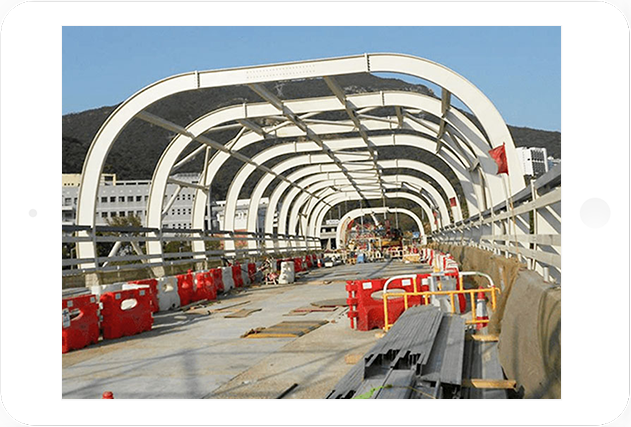

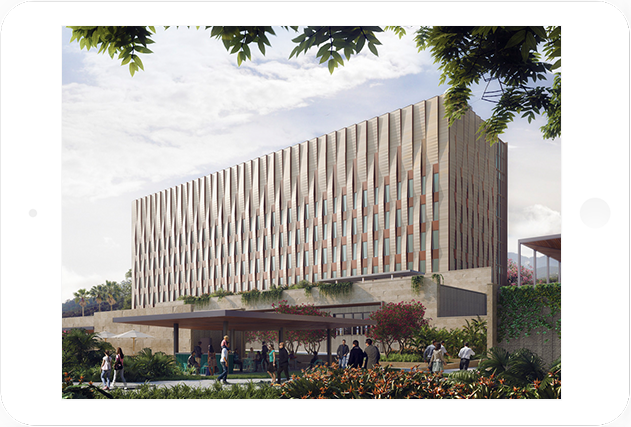
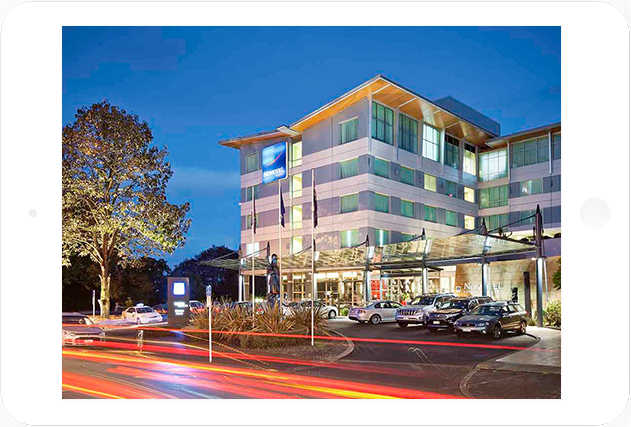
Our customized steel detailing solutions is representative of our commitment to quality and best results. The core focus here is quality drawings and designs for fabrication
We provide a versatile range of Steel Shop Drawing which mostly includes the sheet metal shop drawing, woodwork shop drawing, and structural shop drawing. Our well-versed drawings are mainly comprised of fabrication, manufacturing standards, and dimensions.
Our created Structural Shop Drawing offers a detailed blueprint for project managers and installers that helps in obtaining reliable project approval.
Read MoreSteel Construction Detailing is the leading Structural Engineering Services provider offering full-fledged solutions for BIM Services, Detailing Services, Fabrication Services, MEP Services, Shop Drawing Services etc all at one single roof with the use of international standards and software.
11000+
2500+
180+
17+
It is a long established fact that a reader will be distracted by the readable content of a page when looking at its layout.
Many many thanks for the work you have done for UofW and the quality has been of a very high standard. So in future if we need you again we will be in touch.
It helped me spectacularly. At any given time I can see exactly see what exactly is happening in our project.
I was never aware of the great knowledge and skill of such great designers and Engineers at the same time. Having different engineers work on same project increases the knowledge collectively and complete the project quickly.
I’ve got the best experience. Initially I was apprehensive about what to expect but I was impressed. The Structural and civil engineers are so coordinated and good at their work that I received what I visualized and expected.